How to Choose a Wedding Venue in Asia: The Questions That Matter
Capacity is the easy part. Weather plans, kitchen range, sound rules and contract clauses are what separate the venue that photographs well from the venue that works — here is how to tell them apart before you pay a deposit.
Start with the guest list, not the ballroom
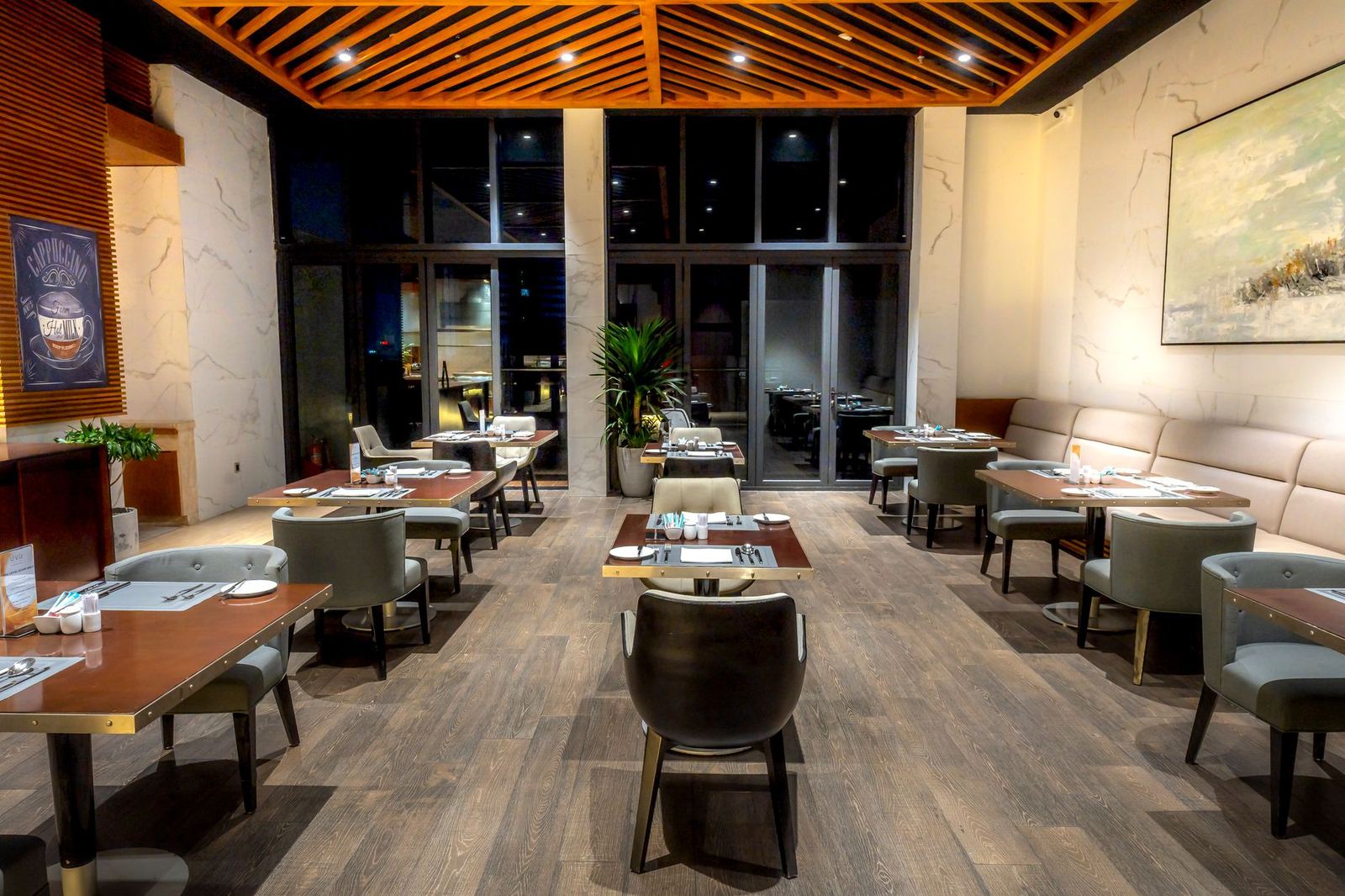
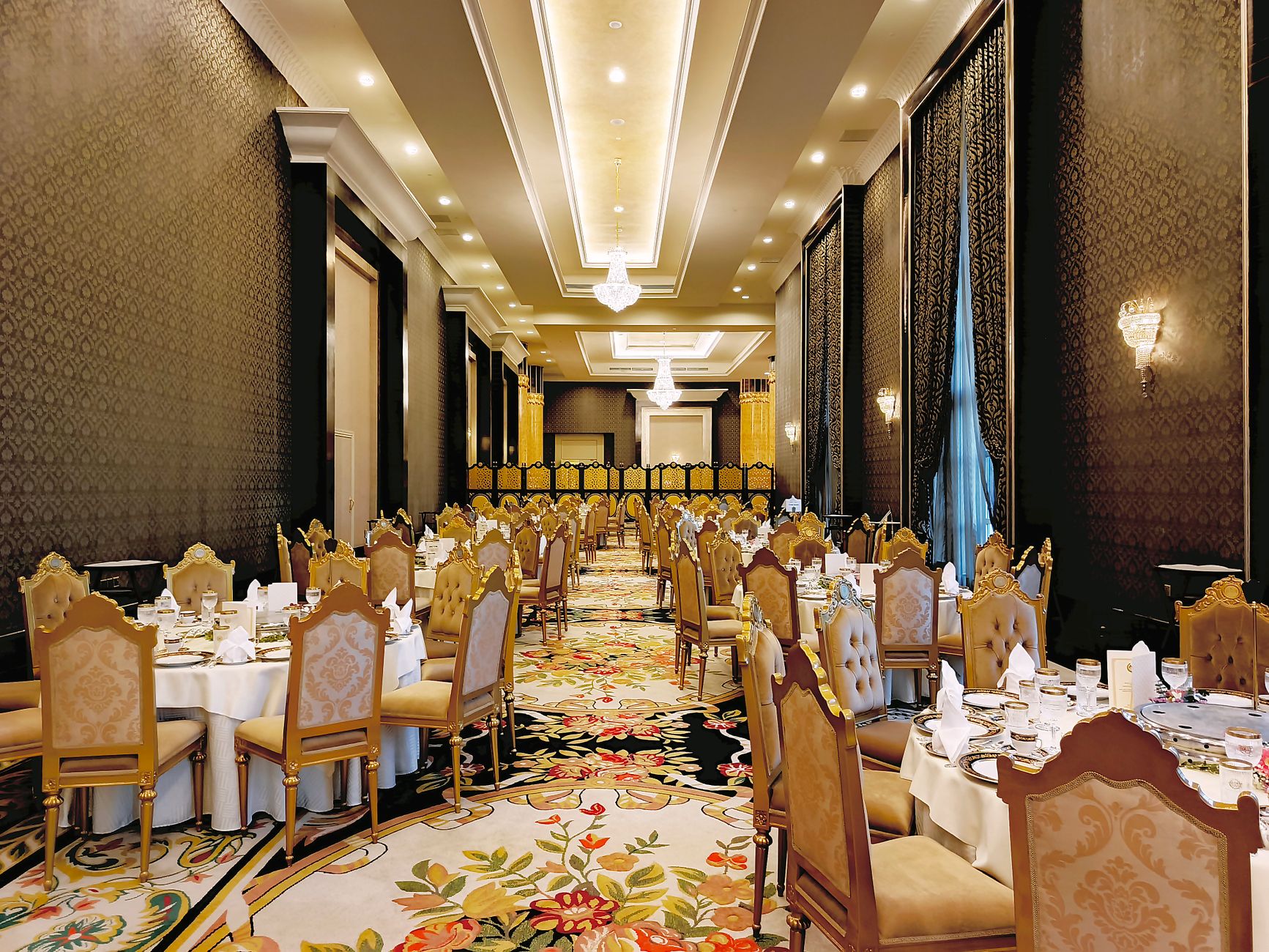
Every venue decision flows from one number: how many people are actually coming. In much of Asia that number moves — parents add tables, colleagues are invited late, and a “small” wedding grows by a quarter between booking and banquet. Before you tour anything, agree on a realistic floor and ceiling with both families. Then look for venues whose comfortable range covers your ceiling, not just your floor: a room that seats 300 “at maximum” seats 300 people who cannot reach the buffet.
Ask every venue two versions of the capacity question: seated at round tables with a dance floor or stage, and seated without one. The difference is often several tables, and it is the honest number.
Take the weather seriously — it decides more than the date
Outdoor ceremonies are the reason many couples come to Asia’s coasts and gardens, and the region’s monsoons are the reason planners keep contingency plans. Whatever the season, ask the venue to walk you through its wet-weather plan in specific terms: which room, set up by whom, decided by what time on the day, and at whose cost. A beautiful lawn without a credible backup is a coin toss with your ceremony.
If the backup room is the same ballroom your banquet will use, ask how the turnaround works — a ceremony that becomes a dinner in the same space needs either a second room or a cocktail hour long enough for the changeover.
Ask what the kitchen can really do
Weddings in Asia routinely serve more than one tradition in one evening — a Chinese banquet after a Western ceremony, a vegetarian table beside the seafood course, halal guests at a family wedding. The question is not whether a kitchen “can” do this, but whether it does it often. Ask when the kitchen last ran a menu like yours, whether outside caterers are permitted for courses it does not cook, and what the corkage and outside-food policies are in writing.
A tasting is not a formality. Book it for the dishes you will actually serve, at the portion size that will reach table twenty — not the chef’s table version.
Sound, curfews and the rules nobody mentions
The rules that end parties are rarely in the brochure. Ask directly: what time must amplified music stop, indoors and out? Are fireworks, sparklers or confetti permitted? Is there a sound limit, and has a band ever tripped it? Resort venues near guest rooms and city venues near residents both have curfews — knowing them before you book a band is cheaper than knowing after.
While you are at it, ask about the loading dock and setup window. Elaborate decor needs hours of access; a venue that opens the room ninety minutes before the banquet limits what any designer can do.
Read the contract like it will rain
The contract questions that matter are the unglamorous ones. What exactly does the minimum spend include, and what carries a service charge on top? What happens to your deposit if you postpone — and is a date change treated as a cancellation? Who is liable for vendor damage to the venue? Does the venue require you to use its list of decorators and AV suppliers, and is there a fee for bringing your own?
None of these questions offend a good venue. The ones that answer them plainly, in writing, before you sign are telling you something about how they will behave on the day — and that, more than any chandelier, is what you are booking. As always: confirm every figure with the venue directly, because packages and policies change.
Get The Vow.
The most beautiful weddings in Asia, one venue worth knowing, and one piece of planning advice — every week. Free.
By subscribing you consent to receive this newsletter from VowAsia (Asia Press Centre Pte. Ltd.); unsubscribe at any time.