Wedding Guest Etiquette Across Asia: Gifts, Attire and Timing
Cash gifts, colors to avoid and multi-ceremony invitations — how to be a good wedding guest across Asia's traditions, and what to do when you are not sure.
The gift: cash, given carefully
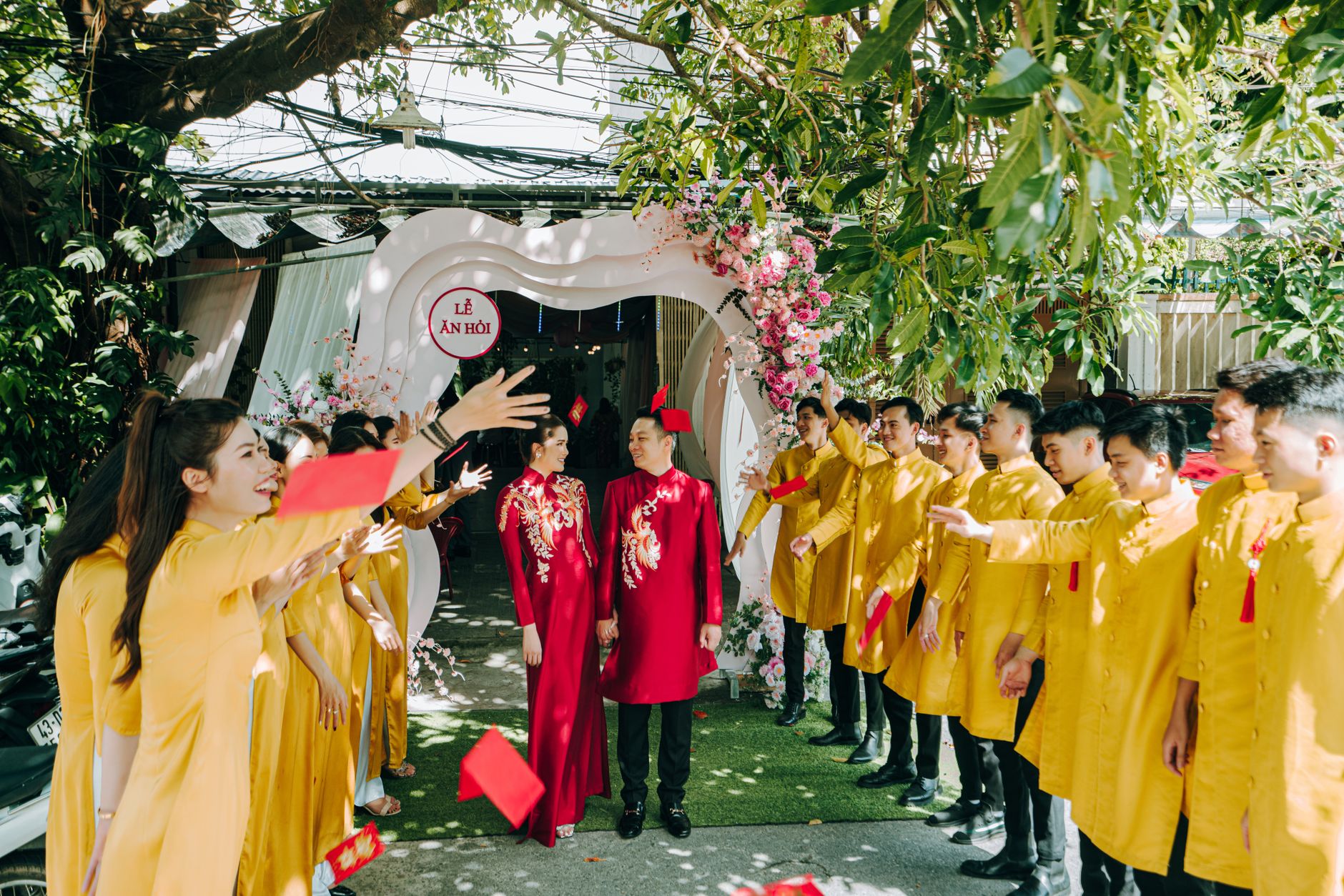
Across much of Asia the wedding gift is money, presented with more ceremony than a bank transfer deserves. At Chinese weddings it commonly arrives in a red envelope; other traditions across the region have their own envelopes, colors and customs. The amount is the delicate part: it varies by city, by venue and by how close you are to the couple, and no article can set it for you. The reliable method is to ask — a mutual friend, a colleague from the same community, or the family itself. Two habits travel well everywhere: give new, clean notes, and be aware that some traditions read meaning into numbers, favoring some and avoiding others. When in doubt, ask rather than guess; the asking is itself a courtesy.
What to wear — and what to avoid
The safest wardrobe rule at any wedding in the region is that the day belongs to the couple, and dressing means staying out of their light. At many Chinese weddings guests avoid wearing red, the bride's traditional color; at weddings across East and Southeast Asia, head-to-toe white can read as bridal or, in some traditions, as mourning. Religious venues add their own requirements — covered shoulders, modest hemlines, removed shoes — and a temple, church or mosque ceremony is not the place to test them. If the invitation names a dress code, follow it precisely. If it does not, dress one step more formally than you think necessary, in colors that photograph as background rather than headline.
Timing, ceremonies and your part in them
An Asian wedding is often not one event but several: a morning tea ceremony, a religious rite, an evening banquet, and in some traditions days of celebration on either side. Your invitation names the parts that include you — read it closely, because attending the right events matters more than attending many. Reply by the date requested and treat the answer as binding; banquet tables are paid for by the head, and a casual no-show has a cost the couple will never mention. Arrive before the hour printed for any ceremony. Evenings can run long and schedules can breathe, but the processions, toasts and speeches are the heart of the night — be in the room for them.
When cultures meet
More and more weddings in the region join two traditions in one celebration, and the etiquette is written by the couple rather than by either culture alone. The rules above are starting points, not laws: a Peranakan family may keep customs their neighbors do not, and a couple marrying in Bali may borrow freely from three traditions in one afternoon. The universal etiquette is curiosity without commentary — take part in what you are invited into, ask quietly when unsure, and let the couple's choices settle any question of what is proper. A guest who asks is never rude. A guest who assumes sometimes is.
Get The Vow.
The most beautiful weddings in Asia, one venue worth knowing, and one piece of planning advice — every week. Free.
By subscribing you consent to receive this newsletter from VowAsia (Asia Press Centre Pte. Ltd.); unsubscribe at any time.